
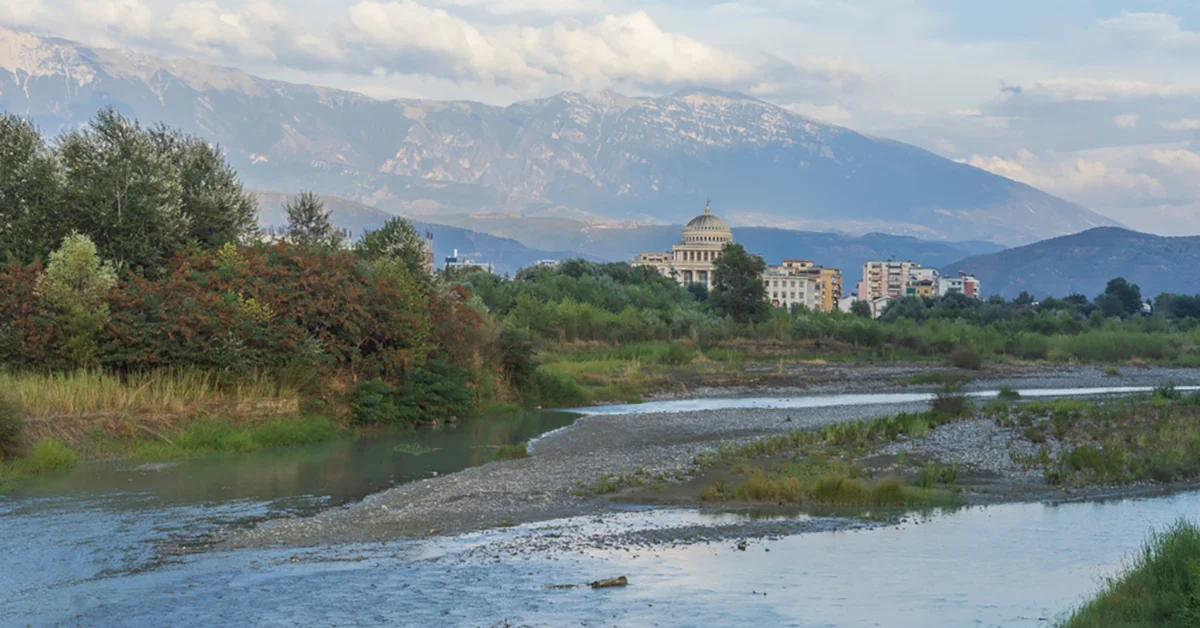
Albania remains one of Europe’s most compelling secrets—a land where ancient civilizations left indelible marks on dramatic landscapes, where Ottoman and Mediterranean influences intertwine through cobblestone streets, and where UNESCO has recognized treasures that rival those of its more famous neighbors. While travelers flock to the archaeological sites of Greece and the historic centers of Italy, Albania offers equally profound encounters with history, often without the crowds and at a fraction of the cost.
The country’s four UNESCO World Heritage designations represent merely the officially acknowledged highlights of a nation where seemingly every hillside conceals ruins, every old quarter tells stories spanning millennia, and natural beauty provides stunning backdrops to cultural exploration. For travelers seeking authentic experiences that connect them with Europe’s layered past, an Albania UNESCO sites tour offers discoveries that transform understanding of the continent’s heritage.
Butrint: Where Civilizations Converge
At Albania’s southern tip, where the country nearly touches the Greek island of Corfu, lies Butrint—an archaeological site of such significance that it earned UNESCO World Heritage status in 1992. This ancient city represents something extraordinary: a continuous record of human settlement from prehistoric times through the medieval period, with each civilization building upon and around the structures of those who came before.
Walking through Butrint today means encountering twenty-five centuries of history within a remarkably compact area. Greek colonists established the original settlement in the 7th century BCE, and their theater—carved into the hillside with views across the surrounding lagoon—still stands as testament to their sophisticated culture. The Romans expanded the city substantially, leaving behind baths, a forum, and the spectacular baptistery whose floor mosaics depicting animals and Christian symbols rank among the finest surviving examples from late antiquity.
The Venetians arrived in the medieval period, constructing fortifications that still crown the acropolis. Their lion of Saint Mark, carved in stone above a gateway, declares their presence across the centuries. Byzantine churches, with fragments of original frescoes still visible on interior walls, demonstrate the city’s importance as a Christian center during the empire’s long tenure in the region.
What distinguishes Butrint from other Mediterranean archaeological sites is its setting. The ruins occupy a peninsula surrounded by the Vivari Channel and Lake Butrint, creating a microclimate that supports exceptional biodiversity alongside the ancient stones. Wetlands rich with birdlife extend around the site, and the journey to reach Butrint passes through landscapes of olive groves and citrus orchards that have changed little over centuries. UNESCO expanded its recognition in 1999 to include this broader landscape, acknowledging that the natural and cultural heritage here form an inseparable whole.
Gjirokastër: City of Stone
Rising from the Drino Valley approximately ninety kilometers north of Butrint, Gjirokastër presents one of the Ottoman Empire’s most remarkable urban legacies. UNESCO inscribed this “city of stone” in 2005, recognizing a townscape that has preserved its authentic character despite the turbulent changes that swept through Albania during the twentieth century.
The city’s distinctive character derives from its traditional tower houses, known locally as kullë. These structures evolved during the seventeenth and eighteenth centuries as prosperous merchant families sought to combine residential comfort with defensive capability. The houses rise several stories high, their lower levels built from massive stone blocks while upper floors feature timber frames with projecting enclosed balconies. Interior rooms often include carved wooden ceilings, built-in storage niches, and decorative fireplaces that speak to the refined tastes of their original inhabitants.
The fortress dominating Gjirokastër’s skyline ranks among the largest in the Balkans. Originally constructed in the twelfth century and substantially expanded during the Ottoman period, it now houses several museums including collections dedicated to weaponry and to the communist-era persecution that Albania endured. The fortress courtyard offers panoramic views across the valley—a strategic advantage that made this location valuable to every power that controlled the region.
Wandering Gjirokastër’s steep cobblestone streets reveals an organic urban fabric that predates modern planning concepts. Houses cluster together according to the natural contours of the hillside, their stone roofs creating a distinctive gray landscape when viewed from the fortress above. The old bazaar, though smaller than in Ottoman times, still operates with merchants selling traditional crafts, embroidery, and local products including honey and mountain herbs.
Berat: City of a Thousand Windows
Approximately one hundred kilometers north of Gjirokastër, across mountain passes that reveal Albania’s stunning interior geography, lies Berat—a city whose whitewashed Ottoman houses earned it the poetic epithet “city of a thousand windows.” UNESCO added Berat to its World Heritage List in 2008, extending the recognition initially granted to Gjirokastër to encompass what officials described as a “rare example of an architectural character typical of the Ottoman period.”
Berat’s three historic quarters each possess distinct characters shaped by the religious and social organization of Ottoman society. Mangalem, on the river’s western bank, developed as the Muslim quarter, its houses climbing the hillside toward the fortress in dense arrangements punctuated by slender minarets. The Gorica quarter, facing Mangalem across the Osum River, housed the Christian population and contains several medieval churches with remarkable iconostases and frescoes.
The Kalaja quarter occupies the fortress itself—a fortified citadel where people have lived continuously for over two thousand years. Unlike many European castle complexes that became purely military or administrative centers, Berat’s fortress remained a residential neighborhood throughout Ottoman rule and continues housing permanent residents today. Churches and mosques stand within meters of each other here, their coexistence across centuries embodying the religious tolerance that characterized much of Albanian society.
UNESCO Site | Year Inscribed | Primary Period | Key Features | Best Time to Visit |
| Butrint | 1992 (expanded 1999) | Greek, Roman, Byzantine, Venetian | Ancient theater, baptistery mosaics, wetland ecosystem | April–June, September–October |
| Gjirokastër | 2005 | Ottoman (17th–19th century) | Stone tower houses, massive fortress, historic bazaar | May–June, September |
| Berat | 2008 | Ottoman (18th–19th century) | “Thousand windows” houses, inhabited fortress, Onufri icons | April–June, September–October |
| Ohrid Region (Albanian part) | 2019 | Byzantine, medieval | Lin Peninsula mosaics, lakeside monasteries, natural beauty | June–September |
The Onufri Museum, housed within the fortress church of the Dormition of the Virgin, contains masterworks by the sixteenth-century icon painter whose name it bears. Onufri developed a distinctive color palette, particularly his famous “Onufri red,” that influenced Albanian religious art for generations. His icons demonstrate the sophisticated artistic traditions that flourished in this region during the Ottoman period, challenging simplistic narratives about cultural stagnation under imperial rule.
Lake Ohrid: Shared Natural and Cultural Heritage
Albania’s most recent UNESCO recognition came in 2019 when the Natural and Cultural Heritage of the Ohrid region was extended to include the Albanian shores of this remarkable lake. While North Macedonia has held World Heritage status for its portion since 1979, the Albanian extension acknowledged that the lake’s exceptional value transcends modern political boundaries.
Lake Ohrid ranks among Europe’s oldest and deepest lakes, with a geological history spanning several million years. This antiquity allowed endemic species to evolve in isolation, creating biodiversity patterns that scientists compare to those of ancient lakes like Baikal and Tanganyika. The crystal-clear waters support unique fish species, including the Ohrid trout that has sustained lakeside communities for millennia.
The Albanian shore, though less developed than the Macedonian side, contains significant cultural sites. The Lin Peninsula extends into the lake’s southwestern corner, where excavations have revealed an early Christian basilica with exceptional floor mosaics dating from the fifth and sixth centuries. The small village of Lin itself preserves traditional stone architecture and fishing practices that connect contemporary life with patterns established across centuries.
Planning Your UNESCO Albania Journey
Exploring Albania’s UNESCO sites requires thoughtful planning, as the country’s transportation infrastructure, while improving rapidly, differs from Western European standards. Most visitors base themselves initially in Tirana, the capital, which offers domestic flight connections and serves as the hub for bus services throughout the country.
The following itinerary allows comprehensive exploration of all four UNESCO designations:
- Tirana serves as an arrival point and offers its own compelling attractions including the National Historical Museum and the Blloku district, former preserve of communist-era elites now transformed into a vibrant dining and entertainment area
- Berat lies approximately two hours south of Tirana by road, and merits at least one full day plus overnight accommodation to properly explore all three historic quarters
- Gjirokastër requires a minimum of one night, with the journey from Berat taking approximately three hours through spectacular mountain scenery
- Butrint operates as a day trip from Saranda, the coastal resort town forty kilometers north, though staying in the Ksamil area allows morning visits before tour buses arrive
- The Albanian portion of Lake Ohrid is most easily visited from the city of Pogradec, reachable from Tirana in approximately three hours
Staying Connected in Albania: World Mobile eSIM
While exploring Albania’s UNESCO treasures, travelers benefit from reliable mobile connectivity for navigation between sites, translation assistance, sharing discoveries with family and friends, and accessing essential travel information.World Mobile offers Albania eSIM plans that eliminate the complications of purchasing local SIM cards or facing expensive international roaming charges.
The World Mobile Albania eSIM provides:
- Unlimited high-speed 5G/4G data throughout Albania
- Flexible duration options: 3 days ($9.90), 7 days ($19.90), 14 days ($29.90), or 21 days ($39.90)
- 20 international calling minutes included
- Coverage across 120+ destinations
- Unlimited Data Coverage in 80+ Destinations
- Auto-activation only when you land in Albania, maximizing your plan’s value
Setup requires simply scanning a QR code sent to your email—no physical SIM card necessary, no visits to local shops. With 24/7 multilingual support,World Mobile provides peace of mind throughout your Albanian adventure. Visit the Worldmobile Albania Unlimited ESIM plan pageto select your plan before departure.
A Heritage Waiting to Be Discovered
Albania’s UNESCO sites offer more than historical education—they provide genuine encounters with living cultures that have preserved traditions, crafts, and ways of life across turbulent centuries. From Butrint’s layered archaeological record to the inhabited fortress of Berat, from Gjirokastër’s stone tower houses to Lake Ohrid’s ancient waters, these designations represent Albania’s profound contributions to European heritage.
For travelers willing to venture beyond the familiar circuits of Western European tourism, Albania rewards curiosity with experiences that resonate long after departure. The country’s UNESCO treasures stand ready to reveal their stories to those who seek them—testament to civilizations that built, worshipped, traded, and created beauty in this corner of the Mediterranean where East and West have always met.


